
Key takeaways
- NYC vending is an access and density problem as much as a sales opportunity.
- The page needs to address borough differences, building rules, delivery friction, and service expectations.
- Advertisers can use it when a campaign needs a high-intent urban market rather than a broad statewide page.
What New York City Vending is built to do
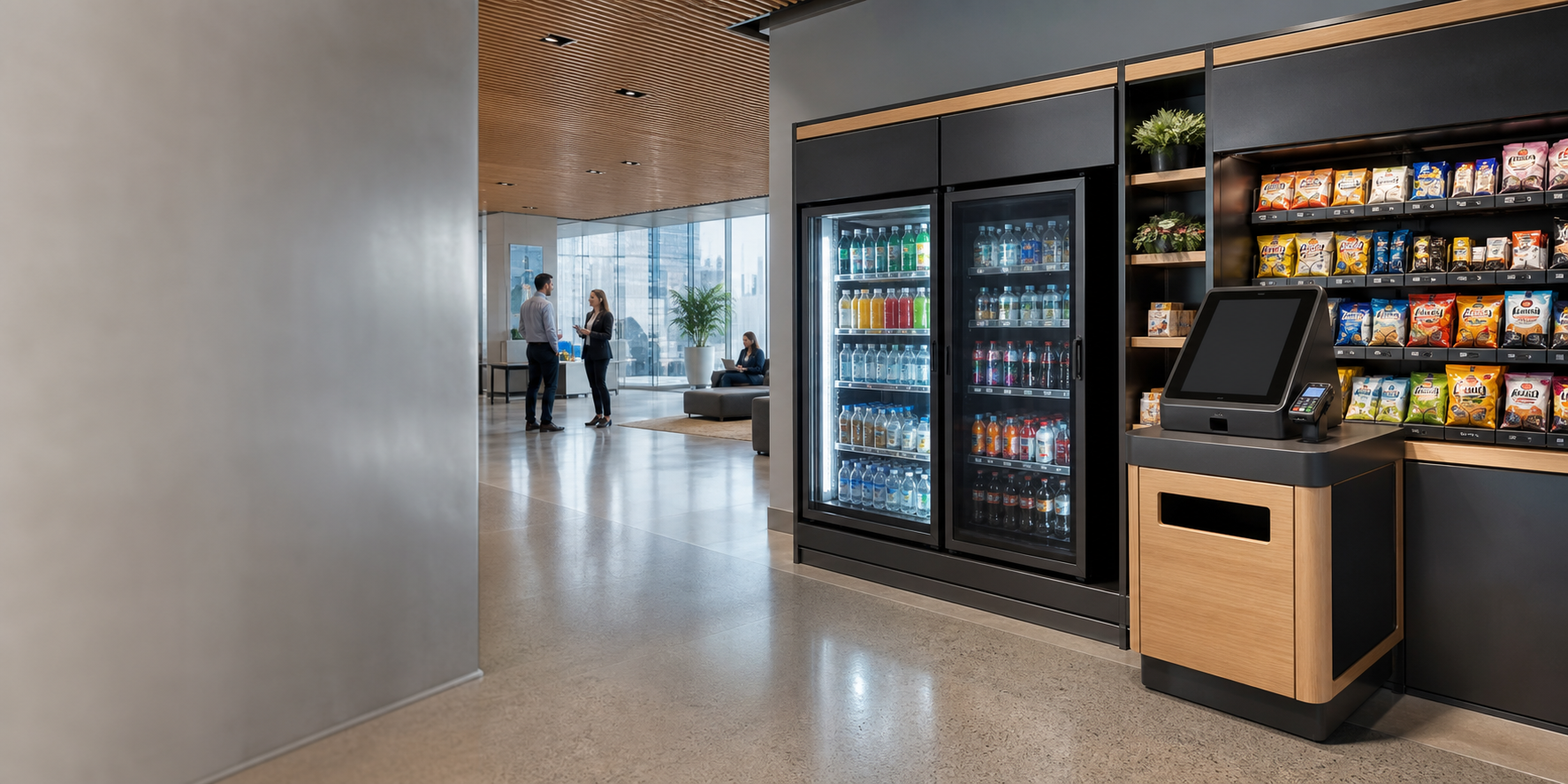
New York City Vending presents free installation for vending machines, micro markets, AI vending, coffee, and pantry service across Manhattan, Brooklyn, Queens, Bronx, and Staten Island. That matters for Vending Press because the page gives the network a specific destination for New York City demand instead of forcing every reader into a generic advertising or locator page.
The site should be read as a five-borough vending and micro market service property. Its strongest job is to help NYC offices, property managers, gyms, schools, healthcare workplaces, multi-tenant buildings, and employer teams understand what kind of vending or refreshment program fits before a sales conversation begins.
The market signal
Manhattan, Brooklyn, Queens, Bronx, and Staten Island is not just a place name in the network. It is a service area with its own account types, route questions, buyer expectations, and search intent. The page is most useful when it explains those differences clearly enough for a real location decision-maker to act.
The strongest signals on the site are all five boroughs, free installation positioning, dense urban vending and micro market demand. Those signals should shape the article links, sponsor packages, and internal network paths around the property.
- office towers should be qualified by traffic, access, product expectations, and service cadence.
- gyms should be qualified by traffic, access, product expectations, and service cadence.
- schools should be qualified by traffic, access, product expectations, and service cadence.
- medical offices should be qualified by traffic, access, product expectations, and service cadence.
- multi-tenant residential buildings should be qualified by traffic, access, product expectations, and service cadence.
- hospitality staff spaces should be qualified by traffic, access, product expectations, and service cadence.
How operators should read the page
For an operator, New York City Vending is useful only if the promise can be translated into route math. The page can attract local demand, but the account still has to support equipment cost, restock time, payment fees, service access, product turns, and relationship management.
That is why Vending Press would pair this site with operating questions rather than treating it as a simple backlink. The page should help sort serious accounts from casual inquiries and point readers toward the format that actually fits.
- vending machines should be presented with clear fit criteria, not as a one-size-fits-all offer.
- micro markets should be presented with clear fit criteria, not as a one-size-fits-all offer.
- AI vending should be presented with clear fit criteria, not as a one-size-fits-all offer.
- coffee service should be presented with clear fit criteria, not as a one-size-fits-all offer.
- pantry service should be presented with clear fit criteria, not as a one-size-fits-all offer.
Where it fits in the Vending Press network
It should be the dense-urban case study inside the network, connected to route-density, access, and cashless-payment coverage.
A rich article gives the site more context than a directory listing. It lets Vending Press explain the market, link to the official property, and support advertisers without pretending that every page has the same editorial purpose.
Operator playbook
Move
Use New York City Vending to qualify the market before treating an inquiry as a route-ready account.
Move
Match the service format to the account: vending machines, micro markets, AI vending, coffee service, pantry service should be recommended only when the traffic, access, and economics support it.
Move
Connect the page to Vending Press articles so the visitor can understand the operating tradeoffs before requesting service or sponsor placement.
Questions to ask before acting
These are the questions Vending Press would want answered before treating the story as an operating decision instead of a headline.
- Which borough and building type determine access, loading, and service time?
- Does the account support open micro markets, or does dense access favor enclosed machines?
- How should cashless, telemetry, and route planning reduce service friction?
Metrics to track
| Area | What the site contributes | Vending Press read |
|---|---|---|
| Market | Manhattan, Brooklyn, Queens, Bronx, and Staten Island | Use the geography to shape local buyer questions. |
| Service model | five-borough vending and micro market service | Tie the offer back to route economics and account fit. |
| Formats | vending machines, micro markets, AI vending, coffee service, pantry service | Explain when each format belongs in the account. |
| Network role | It should be the dense-urban case study inside the network, connected to route-density, access, and cashless-payment coverage. | Use internal links to make the site part of a larger content path. |
New York City Vending editorial checklist
- Explain the buyer and location types the page is meant to serve.
- Name the service formats clearly instead of relying on generic vending language.
- Connect the page to relevant Vending Press explainers and network pages.
- Use the official domain link rather than a preview or deployment URL.
- Keep sponsor and backlink opportunities separate from editorial claims.
- Review the page periodically as service areas, offers, and site copy change.
Where advertisers fit
Best-fit sponsors include payment providers, telemetry software, smart equipment companies, route software, product distributors, and NYC-focused operator campaigns.
Review Vending Press advertising options