
Key takeaways
- Cameras help, but layout and expectations often determine daily behavior.
- High-shrink categories should be reviewed by location rather than blamed on the format.
- Employers need a clear role in communication and culture.
Shrink is a system, not a single issue
Micro market shrink can come from missed scans, confusion, intentional theft, poor signage, bad checkout flow, spoilage, refunds, or product movement that is not recorded correctly. Treating all shrink as theft makes the operator miss fixable process problems.
A strong loss-control plan starts before opening day. Layout, product placement, signage, camera angles, payment prompts, and employer communication all influence behavior.
Design for honest use
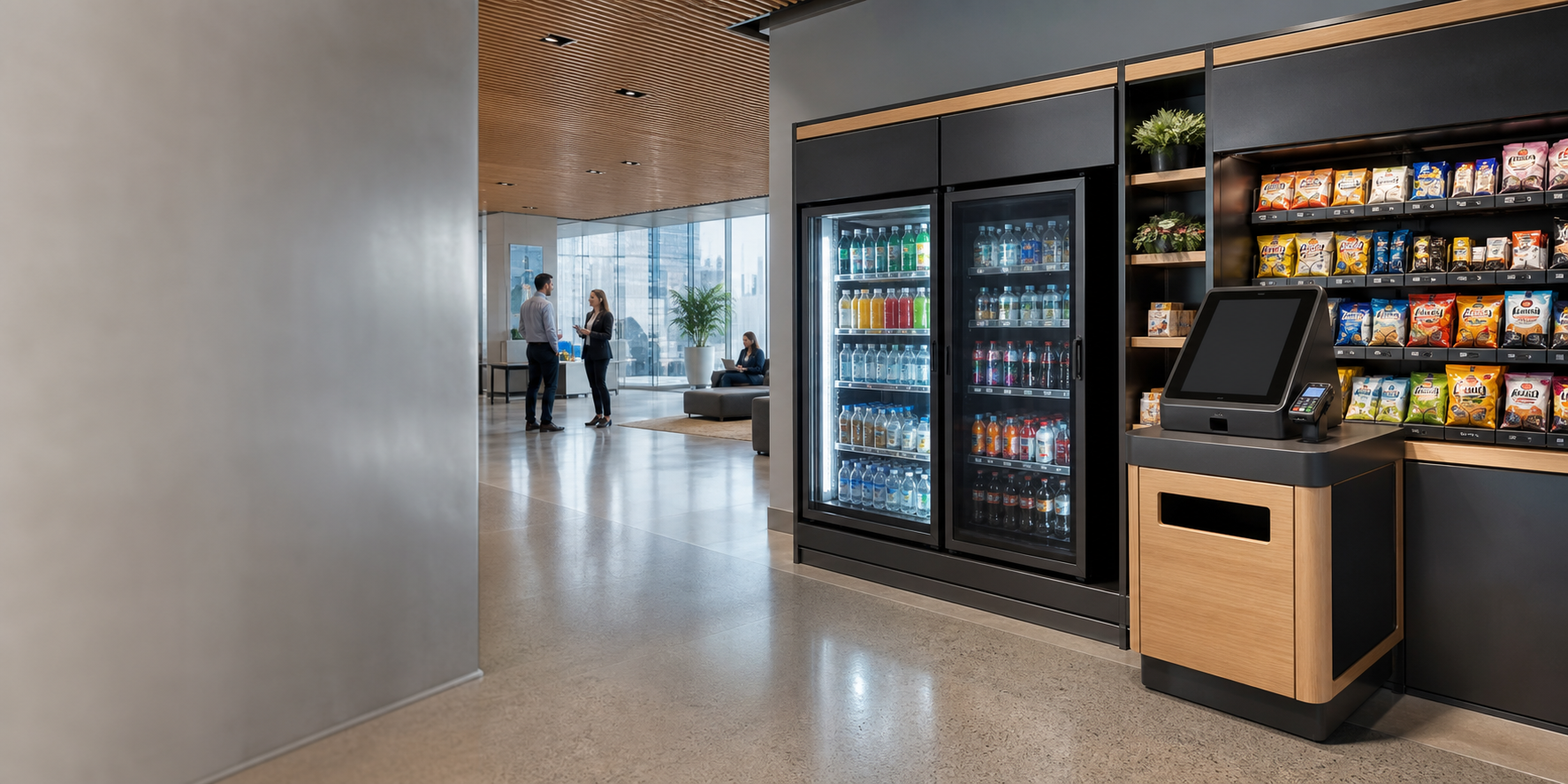
The market should make the correct action obvious. Checkout should be visible. Instructions should be short. High-value items should not be hidden in blind corners. Fresh food should be easy to scan. Promotions should not confuse the price.
Operators should walk the market like a first-time user. If a person can misunderstand the flow, some will.
- Visible checkout area and simple payment instructions.
- Camera coverage for entry, checkout, and premium items.
- Product labels that match the kiosk or app.
- Clear refund and support path.
- Routine review of high-shrink SKUs.
Employer communication matters
The location manager should understand how the market works and what behavior is expected. A launch message from the employer can make a difference because employees often respond better when the account frames the market as a shared benefit.
When shrink appears, the operator should bring facts rather than accusations. Category-level and time-based data can help the employer support better behavior.
When a smart cooler is the better answer
Some locations want fresh or premium products but are not ready for a full open market. A smart cooler can offer more control while still expanding the product set. The tradeoff is platform cost, equipment dependence, and a more controlled shopping experience.
The format should match the location's culture and volume.
Operator playbook
Move
Audit layout before blaming the customer. Checkout visibility, product labeling, camera angles, and confusing promotions can create shrink that looks like theft.
Move
Review shrink by product category and location. A broad route-level number hides whether the issue is premium drinks, fresh food, missed scans, spoilage, or process errors.
Move
Bring the employer into the fix with data, not accusations. A location partner can help set expectations when the operator provides a clear pattern.
Questions to ask before acting
These are the questions Vending Press would want answered before treating the story as an operating decision instead of a headline.
- Is shrink coming from missed scans, spoilage, refunds, confusing labels, open access, or deliberate theft?
- Which SKUs or dayparts are creating the most margin loss?
- Would a smart cooler, smaller market, or different product mix fit the account better?
Metrics to track
| Lever | Best use | Watch point |
|---|---|---|
| Layout | Prevent confusion | Blind spots |
| Cameras | Confirm behavior | Overreliance without review |
| Product mix | Protect margin | Premium shrink |
| Employer messaging | Set expectations | No local ownership |
Loss-control review
- Checkout is visible and easy to use.
- Camera angles cover the right areas.
- High-shrink SKUs are tracked by location.
- Employer understands launch and communication role.
- Refunds, missed scans, and support issues are reviewed weekly.
- Smart cooler option is considered for higher-risk accounts.
Where advertisers fit
Best-fit sponsors include micro market platforms, camera providers, smart cooler vendors, fresh food suppliers, kiosk systems, and consultants focused on loss control.
Review Vending Press advertising options